
Loading...
Serving Fortuna Foothills, AZ and surrounding areas. (928) 655-8262
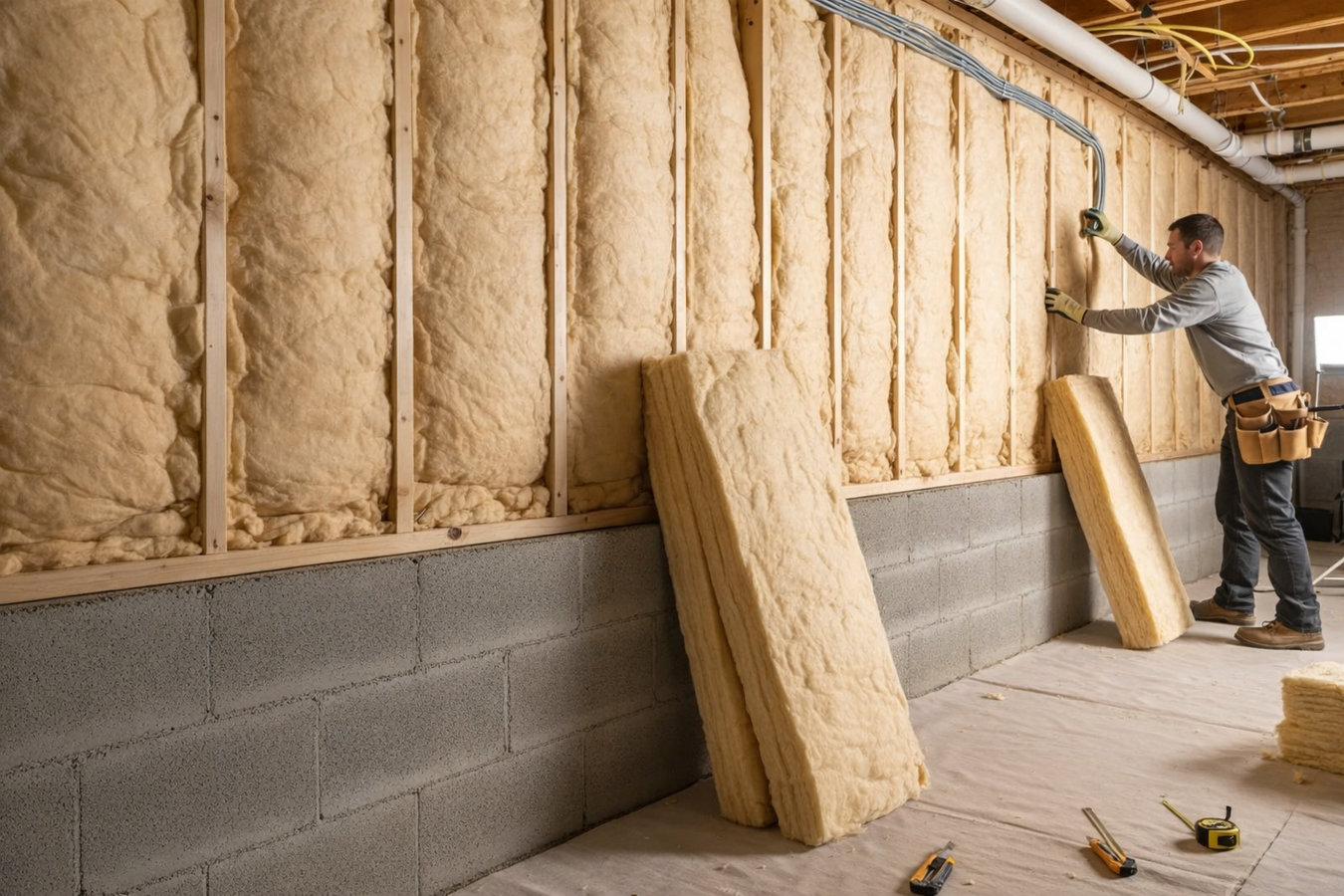
Desert heat radiates up through uninsulated basement walls and floors all summer long. We seal the gaps, install the right material for your space, and stop that heat before it reaches your living areas.
Basement insulation in Fortuna Foothills creates a thermal barrier between your living space and the heat-saturated soil beneath your home, most jobs completed in one to two days with no post-installation waiting period. The hotter it gets outside, the more heat that uninsulated basement floor and walls push upward into the rooms your family uses every day.
Many homes in the Yuma area were built during the rapid growth years of the late 1990s and early 2000s, when insulation standards were lower and desert basements were often an afterthought. If your home has a basement and it has never been inspected, there is a reasonable chance it is contributing to the high cooling costs you see every summer. Pairing basement insulation with closed-cell foam insulation in other problem areas gives your air conditioner the best chance of keeping up during the hottest months.
The good news is that basement insulation is a targeted, predictable job. You do not need to move out, there is no curing time, and the space is usable the same day the crew finishes. Give us a call and we will tell you exactly what your basement needs before any work begins.
If your cooling system never seems to catch up during Fortuna Foothills summers and your electric bills keep climbing, your basement or lower-level floor may be pulling heat into your home faster than your system can remove it. An under-insulated basement acts like a slow oven underneath your living space, and no thermostat adjustment will fix that.
Walk barefoot across the floor directly above your basement on a hot July afternoon. If it feels noticeably warmer than other floors in your home, heat is conducting upward through an uninsulated or poorly insulated ceiling - a direct sign your basement is not acting as a thermal buffer.
If you notice a musty smell in your basement after heavy rain, or see white chalky deposits or dark staining on the walls, that is a sign of moisture movement through your foundation. This needs to be addressed before insulation goes in - otherwise you risk trapping moisture and creating conditions for mold.
Older homes in the Yuma area were often built to energy standards that would not meet today's expectations, and basement insulation was frequently minimal or absent. If no one has ever looked at what is behind those walls, a quick assessment can tell you whether you are leaving money on the table every month.
The right approach depends on how your basement is built and how you use it. For finished spaces or basements you plan to live in, closed-cell foam insulation on the walls gives you the highest insulating value per inch - critical when you want maximum performance without consuming too much floor area. For unfinished spaces with concrete walls, rigid foam board offers a slim, reliable option that handles the flat surface well.
Many basement jobs also benefit from crawl space insulation work if the lower level of your home includes both a basement and a crawl space section - treating both together seals the entire thermal boundary underneath your home. We assess your space first, explain exactly what we recommend, and give you a written estimate before any material is ordered.
Ideal for finished basements or spaces you plan to use as living areas - keeps the entire lower level at a comfortable temperature.
Best for basements with irregular shapes, concrete walls, or existing air leaks - seals and insulates in a single pass.
A cost-effective option for unfinished basements with standard framed walls and minimal moisture concerns.
Suited for concrete basement walls where you need a thin profile that still delivers reliable thermal resistance.
Fortuna Foothills sits in one of the hottest residential areas in the United States, where summer temperatures regularly exceed 110 degrees. The soil around and beneath your home absorbs that heat all day, and without insulation between the basement and your living space, that stored heat radiates upward through floors and walls well into the evening. For homeowners running their air conditioning from May through September, an under-insulated basement is one of the most direct contributors to a high monthly electric bill. We serve homeowners throughout Yuma, AZ and the surrounding area and understand exactly how the desert climate affects what a basement needs.
Monsoon season adds another layer of risk. From July through September, intense rainfall events can push moisture through foundation walls or collect near the base of the structure. Installing insulation over undetected moisture creates the conditions for mold and long-term structural damage. That is why we inspect every basement for moisture before we touch a single piece of insulation material. Homeowners in communities like Somerton, AZ deal with the same seasonal moisture patterns, and the same pre-installation discipline applies there. Getting the sequence right protects your investment and keeps your home dry year after year.
When you reach out, we ask a few basic questions - basement size, finished or unfinished, and what is prompting the call. We reply within one business day and can usually schedule an in-home visit within a few days.
We walk through your basement, check walls, ceiling, existing insulation, and signs of moisture or air leaks. You get a written estimate before any work begins - no surprises.
The crew seals air gaps around pipes, wiring, and structural gaps, then installs insulation according to the plan from your assessment. Most residential basement jobs finish in a single day.
Before we leave, we walk you through the finished work and explain what was done. You receive documentation you can use for utility rebates or future home sales - the basement is ready to use immediately.
Free estimate, written quote, no obligation. We respond within one business day.
(928) 655-8262Fortuna Foothills monsoon season can push moisture through foundation walls. We inspect for any dampness before a single piece of insulation goes in - so you are not sealing a problem inside your walls.
You receive a detailed written estimate that spells out exactly what is included. We do not add charges after the fact, and we explain every line item before you agree to anything.
You get a clear, written quote before any work starts, with the scope and price spelled out. Our crews have years of experience with local homes and document the finished job for your records.
We are familiar with APS energy efficiency rebate requirements and document jobs in a way that qualifies. We handle the paperwork so you do not leave money on the table after the project is done.
We stay current with ENERGY STAR installation standards, which ensures the work we do actually delivers the energy savings you are paying for - not just insulation that passes a quick visual inspection.
High-density spray foam that seals air gaps and insulates simultaneously - the top-performing option for extreme desert heat.
Learn MoreInsulate the crawl space that runs alongside or beneath your basement to close the full thermal boundary under your home.
Learn MoreFortuna Foothills summers are brutal - schedule your basement insulation estimate now before temperatures peak and contractor schedules fill up.