
Loading...
Serving Fortuna Foothills, AZ and surrounding areas. (928) 655-8262
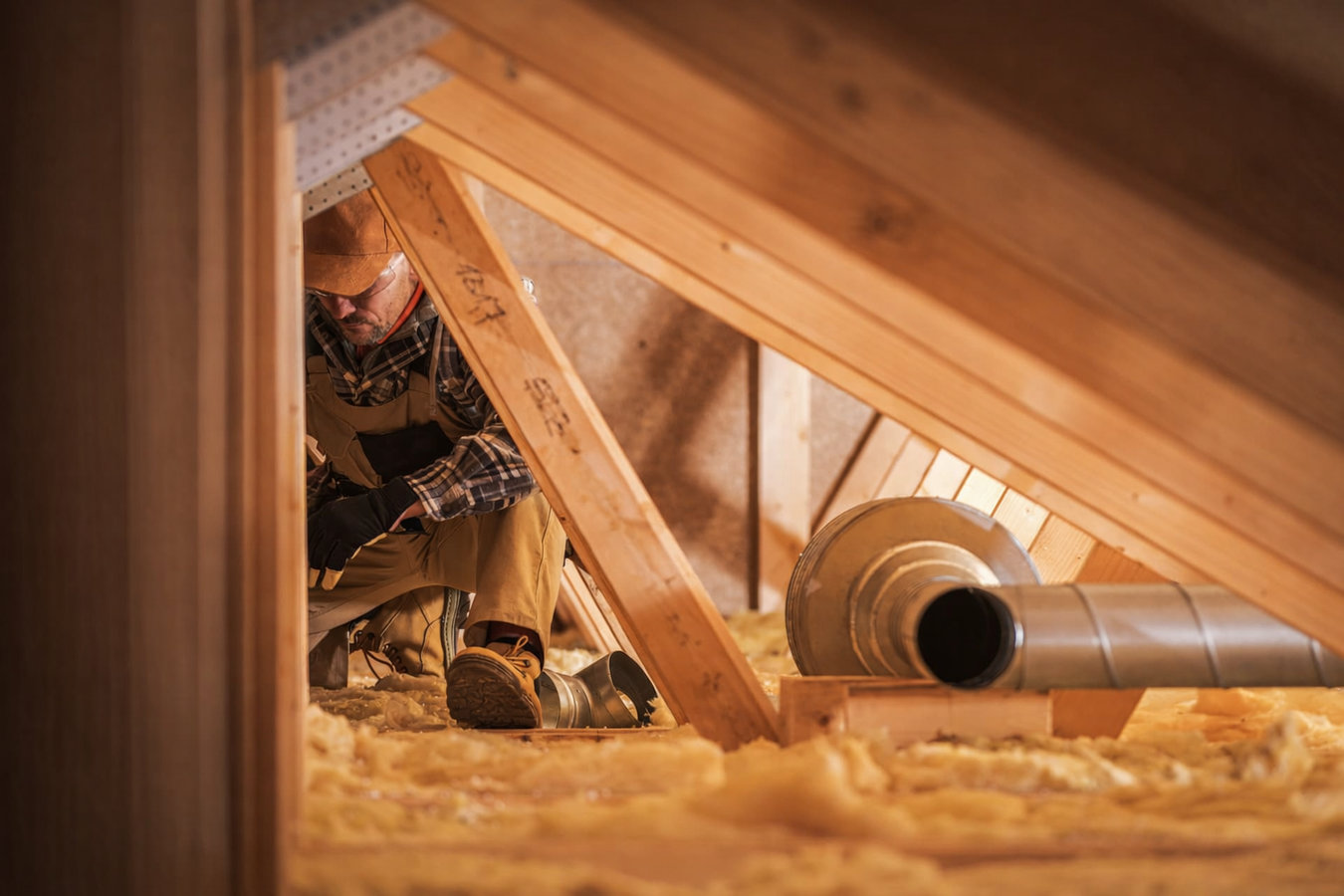
Fortuna Foothills Insulation serves Gadsden, AZ homeowners with home insulation, attic upgrades, spray foam, and air sealing. We make the drive down Route 95 regularly and understand what older Yuma Valley farm homes need - decades of 110-degree summers have worn out most of the insulation in these houses.
Most homes in Gadsden were built in the mid-twentieth century with insulation levels that are far below what current Arizona summers demand. Home insulation upgrades address the attic, walls, and floor systems together, giving Yuma Valley homeowners a practical path to lower cooling bills without tearing up finished surfaces.
Gadsden homes with flat or low-slope roofs have attic spaces that absorb intense solar heat every afternoon from April through October. Upgrading the insulation layer between that hot attic and the living space is the most direct way to reduce how hard the air conditioner has to work during the peak of summer.
Blown-in cellulose or fiberglass fills every corner and irregularity of an older Gadsden attic without disturbing finished ceilings. It is the right choice for homes where the only realistic access is the attic hatch, and it can add significant R-value on top of compressed or degraded original material in a single day.
Stucco and concrete block homes in Gadsden develop thermal cracks over decades of extreme heat and temperature cycling between hot days and cooler nights. Spray foam seals those cracks and fills cavities in block walls, around pipes, and at rim joists where loose-fill material cannot form a continuous barrier.
The Yuma Valley gets occasional dust storms and annual monsoon humidity, both of which move through any unsealed gap in a home envelope. Sealing penetrations at plumbing lines, electrical fixtures, and attic hatches before adding new insulation makes the insulation significantly more effective and keeps outdoor air out of the living space year-round.
Gadsden sits in the agricultural Colorado River valley, where irrigation water and the nearby river create soil moisture levels higher than in the open desert further north. A vapor barrier installed under the home or in crawl spaces addresses that ground moisture before it can move into the floor system, protecting both the structure and indoor air quality.
Gadsden is a small agricultural community in the lower Yuma Valley, sitting in one of the hottest and sunniest corners of North America. Summer temperatures regularly reach 110 degrees F or above, and the heat runs from May through September with barely a break. Most homes here were built between the 1950s and 1980s, when energy codes were minimal and insulation was an afterthought in desert construction. Those homes were built with stucco or concrete block exteriors that hold up well in dry heat but provide almost no thermal resistance on their own. The insulation that was installed - often thin fiberglass batts in the ceiling or nothing at all in the walls - has had 40 to 70 years of extreme UV and heat working against it. The result is a home that asks its air conditioner to do far more work than modern insulation would require.
What makes Gadsden different from other hot Arizona communities is the agricultural setting. The area is surrounded by irrigated farmland, and the soil moisture in this part of the Colorado River valley is higher than you would find in open desert. That ground moisture can move under homes through unventilated crawl spaces and through gaps at the slab perimeter, creating conditions for mold and structural damage in homes that were never built with vapor control in mind. The summer monsoon adds to this - a sudden heavy rain on flat valley farmland has limited places to drain, and homes in low-lying areas can see standing water around their foundations after a major storm. An insulation contractor working in Gadsden regularly needs to understand all of these factors, not just how to blow cellulose into an attic.
Our crew works throughout Gadsden regularly, and we understand the local conditions that affect insulation work here. Gadsden is in unincorporated Yuma County, so permit requirements fall under Yuma County Development Services - not a city building department. Most basic insulation work in this area does not require a permit, but we confirm the requirement for every project before scheduling and handle the permit process if one applies.
U.S. Route 95 is the main highway we travel to reach Gadsden from Yuma - it runs through the agricultural valley and connects the community to services about 20 miles to the north. Properties in Gadsden tend to sit on larger lots with outbuildings, carports, and in some cases irrigation ditches along the property line. We are familiar with both the stucco and block construction common here and the mobile or manufactured homes that make up part of the housing stock. Homes that have been in the same family for decades are the norm, and we approach those jobs with the same care we would bring to our own property.
We also serve Winterhaven, CA, a community just across the Colorado River with similar desert climate conditions, and San Luis, AZ, a border community to the south. If you have connections in either area who need insulation work, we can often schedule visits on the same trip.
Reach us by phone or through the contact form. We respond to Gadsden-area inquiries within one business day and set up a free estimate visit at a time that works for your schedule.
We come to your Gadsden property, walk the attic and any crawl spaces, and tell you exactly what is present and what it is worth in terms of actual performance. The estimate is written and itemized - no vague quotes, no costs added after the fact.
The crew arrives on the scheduled day and works through the access points - attic hatch, crawl space entry, or wall cavities - without disrupting your living areas. Most Gadsden attic jobs finish within a single day.
We clean up before we leave and walk you through what was installed. The difference shows up quickly - your AC runs less often, and the rooms that used to overheat in the afternoon hold a more consistent temperature.
We make regular trips down Route 95 to Gadsden - no long waits and no travel surcharge for this area. Free estimates, written scope before any work begins.
(928) 655-8262Gadsden, AZ is a small unincorporated community in the far southwestern corner of Arizona, sitting in the flat agricultural valley of the lower Colorado River near the California and Mexico borders. The area is deeply rooted in farming - surrounding fields grow vegetables, cotton, and other crops that make Yuma County one of the most productive agricultural counties in the country. Properties in Gadsden tend to sit on larger lots and often include outbuildings, carports, or irrigation infrastructure that reflects the working character of the valley. The community has strong multigenerational ties, with many families having lived on the same land for decades.
The housing stock is primarily small single-family homes built between the 1950s and 1980s - modest one-story stucco or block construction that was built to be affordable and functional in a farming economy rather than to meet modern energy standards. Mobile and manufactured homes are also present in the area. The Colorado River forms the western edge of the region and makes the valley green in a landscape that is otherwise open desert. Neighboring communities include San Luis, AZ, a border city to the south, and Winterhaven, CA, just across the river to the west.
Seal gaps and boost efficiency with professional spray foam application.
Learn MoreImprove comfort and soundproofing with insulated interior and exterior walls.
Learn MoreHigh-density foam that provides superior moisture resistance and R-value.
Learn MoreLightweight foam ideal for interior walls, ceilings, and sound control.
Learn MoreEnergy-efficient insulation solutions scaled for commercial buildings.
Learn MorePrevent moisture damage with professional vapor barrier installation.
Learn MoreCall or request a free estimate - we travel Route 95 to Gadsden regularly and know what these homes need to stay cool all summer.