
Loading...
Serving Fortuna Foothills, AZ and surrounding areas. (928) 655-8262
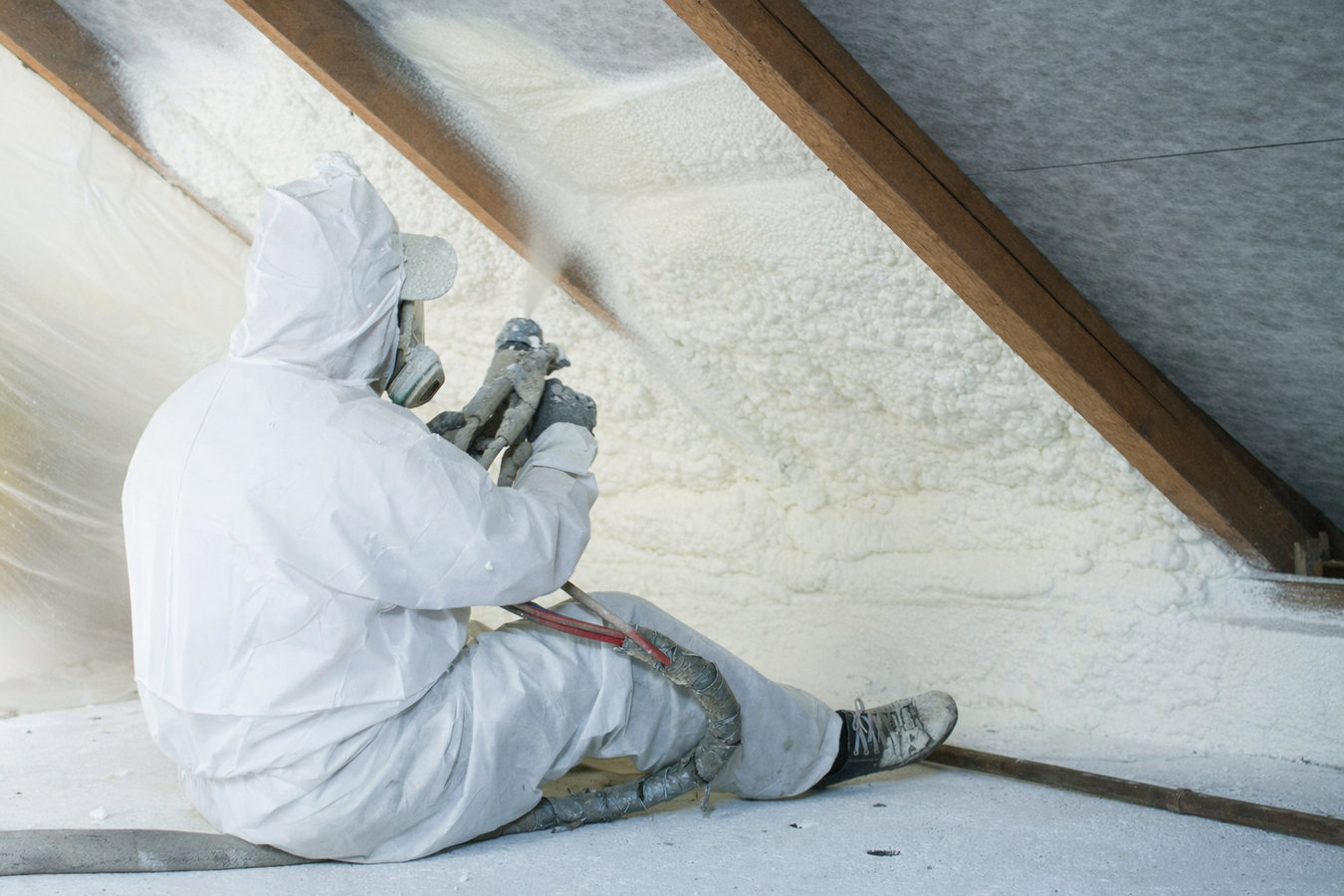
Standard fiberglass loses its edge when your attic hits 160 degrees. Closed-cell foam holds full insulating value at any temperature and seals every air gap in a single pass - so your cooling system finally gets ahead of the desert heat.
Closed-cell foam insulation in Fortuna Foothills expands to fill cavities and harden into a rigid layer that simultaneously insulates and seals air gaps, most residential jobs completed in one day with a 24-hour re-entry period. It holds its full insulating value even when attic temperatures climb well past what fiberglass can handle - which in this climate happens for months at a stretch.
Most homes in Fortuna Foothills were built during the 1990s and 2000s with insulation that met the minimum requirements of that era. Those standards were not designed for the energy costs or continuous cooling demand that comes with living in one of the hottest metro areas in the country. If you have never had an energy audit or insulation inspection, there is a reasonable chance your home is working harder than it needs to every summer. Combining closed-cell foam with open-cell foam insulation in appropriate areas - like interior partition walls where sound control matters - lets you get the right material in the right place throughout your home.
The other benefit that surprises homeowners is the dust problem. The Yuma area is known for haboobs and blowing particulates, and a home with gaps in its air barrier pulls that outside air in constantly. Once the foam seals those entry points, you will notice less dust settling on surfaces - which matters whether or not anyone in your household has allergies. Call us and we will walk your attic and tell you exactly what we see before any work is scheduled.
If your air conditioner never seems to catch up, or cycles back on within minutes of shutting off, your attic insulation is likely failing under the extreme heat. In Fortuna Foothills, where temperatures stay above 100 degrees for months, a poorly insulated attic overwhelms even a properly sized cooling system.
If the bedroom at the end of the hall or the room directly under the roof peak is always noticeably warmer than the rest of the house, uneven or degraded insulation is usually the cause. In desert climates this problem worsens over time as older insulation settles, compresses, or gets disturbed by pest activity.
Hold your hand near an outlet or switch plate on an outside-facing wall on a hot summer afternoon. If you feel warmth radiating through, there are gaps in your wall insulation where outside air is moving freely. Closed-cell foam seals those gaps completely - something fiberglass batts cannot do on their own.
Many homes in Fortuna Foothills were built during the rapid growth years of the late 1990s and 2000s to minimum insulation standards that were not designed for today's energy costs. If your home has never had an insulation inspection or upgrade, there is a reasonable chance it is working harder than it needs to.
Closed-cell foam works in any location where you need the highest insulating value per inch and a true air seal in one step. Attic encapsulation is the most common application in this area - converting the attic to a conditioned zone so the ceiling is no longer the main heat pathway into your home. For homes with flat or low-slope roofs, foam applied directly to the roof deck gives the same result with even better performance. Paired with full spray foam insulation coverage throughout the home, you are addressing every thermal weak point in a single upgrade.
Closed-cell foam is also the right call for crawl spaces, basement walls, and any area with irregular shapes or concrete surfaces where other materials leave gaps. Keep in mind that finished living spaces require the foam to be covered with a fire-rated material like drywall - we factor that into the estimate so there are no surprises. For applications where cost is the primary concern and air infiltration is less of an issue, we can also discuss whether open-cell foam insulation makes more sense for a specific area of your home.
Best for homes where the attic is the main heat source - converts the space to a conditioned zone and removes the ceiling as a thermal weak point.
Applied directly to the underside of the roof deck for maximum performance in low-slope or flat-roof homes common in Fortuna Foothills.
Fills wall studs during new construction or targeted retrofit work, sealing the entire wall assembly against air infiltration.
Handles irregular shapes and concrete surfaces where other insulation materials leave gaps or underperform over time.
Fortuna Foothills sits in the lower Sonoran Desert near Yuma, where summer temperatures regularly exceed 110 degrees and attic temperatures can climb past 160 degrees on a hot afternoon. Standard fiberglass insulation loses effectiveness at those extremes, which is why so many homeowners here find their air conditioners running almost continuously from May through September regardless of what the thermostat is set to. Closed-cell foam holds its insulating value at those temperatures, and its built-in moisture resistance addresses the condensation that forms when cold interior air meets a blazing-hot exterior wall. Homeowners throughout Yuma, AZ deal with the same conditions, and closed-cell foam is the most effective material we have seen for this specific climate challenge.
The snowbird and seasonal occupancy pattern in Fortuna Foothills is also worth keeping in mind. Many homes here sit empty during the hottest months, which means the insulation is doing all the work of maintaining a livable temperature without anyone adjusting the thermostat. Homes with poor insulation that have been empty for a summer come back to significantly degraded interior conditions and equipment that has run too hard for too long. Residents near Wellton, AZ face the same seasonal challenge, and a proper foam upgrade before you leave gives both your home and your cooling equipment a much better chance of handling the heat without you there to manage it.
We ask a few questions - home size, areas to be treated, and whether you have had prior insulation work done. We reply within one business day and most estimates are scheduled within a few days.
We walk your attic, walls, or crawl spaces, measure the areas to be treated, check what is already there, and explain what we recommend and why. You receive a written estimate that breaks down cost by area so you can compare it clearly.
Clear the areas being worked on and arrange to be away from the home for at least 24 hours after spraying is complete. We tell you exactly what needs to be done beforehand so there are no surprises on installation day.
The crew sprays in controlled passes, building up the right thickness. Before you return, a lead installer walks the finished areas and documents coverage. We give you a specific re-entry time - typically 24 hours after the last spray pass.
Free estimate, written quote, no obligation. We respond within one business day.
(928) 655-8262We know Yuma County's building department requirements for insulation work. When a permit is required, we handle the application - so the job is on the record and your home's value is protected at any future sale or inspection.
We give you a specific re-entry time before work begins and stick to it. Any contractor who tells you the house is safe to re-enter the same day spray foam is applied is not following proper safety protocols.
You get a clear, written quote before agreeing to anything, with the scope and price laid out. Our crews have years of hands-on spray foam experience in the Yuma area and document the completed work.
Qualifying closed-cell foam installations may be eligible for a federal energy efficiency tax credit. We document the materials used so your tax preparer can verify eligibility - you should not have to chase that paperwork yourself.
The Spray Polyurethane Foam Alliance (SPFA) sets the technical and safety standards for spray foam work nationwide, and we stay current with those standards. The EPA has published guidance on spray foam safety that every homeowner should understand before scheduling a job - including the 24-hour re-entry requirement that some contractors do not properly communicate.
A more flexible, lower-cost foam option suited for interior walls, sound control, and applications where a vapor barrier is handled separately.
Learn MoreFull-home spray foam coverage that addresses attic, walls, and crawl spaces together as a complete thermal upgrade.
Learn MoreLock in your closed-cell foam installation date now - once summer arrives, schedules fill quickly and you will be waiting in the hottest months of the year.