
Loading...
Serving Fortuna Foothills, AZ and surrounding areas. (928) 655-8262
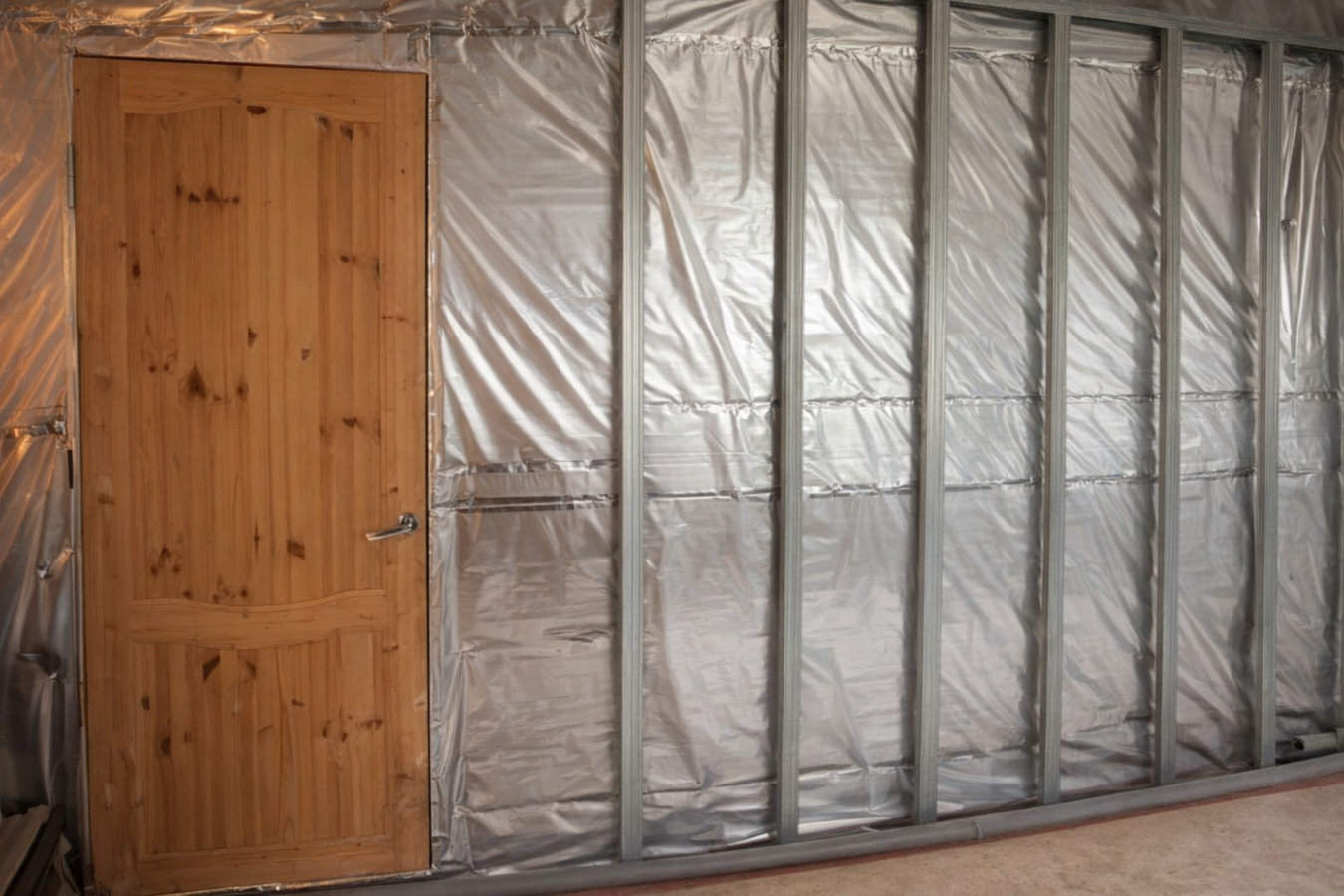
Every monsoon season, ground moisture rises into Fortuna Foothills crawl spaces. A properly installed vapor barrier stops that cycle before it damages your floors and framing.
Every monsoon season, ground moisture rises into Fortuna Foothills crawl spaces. A properly installed vapor barrier stops that cycle before it damages your floors and framing.
Vapor barrier installation in Fortuna Foothills means laying and sealing heavy-duty plastic sheeting across the bare soil in your crawl space - and often up the foundation walls as well - to block ground moisture from rising into your home. Most installations are completed in one to two days and do not require you to vacate the house.
Most Fortuna Foothills homeowners think of the desert as permanently dry. The North American Monsoon corrects that assumption every summer. From roughly late June through September, intense rainstorms push water into the sandy, caliche-heavy Yuma County soil, and that moisture moves upward into crawl spaces - quietly, continuously, and often without any visible sign until the damage is done. Homes built during the area's rapid growth period of the 1990s and 2000s frequently have no barrier at all, or one so thin and degraded it stopped working years ago. If your home already has a crawl space vapor barrier that is more than 15 years old, it is worth having someone confirm it is still intact before the next monsoon season arrives.
A damp, earthy odor that intensifies after monsoon rains is one of the most direct signals that moisture is moving up from your crawl space. In Fortuna Foothills, this pattern is common in homes without a sealed floor assembly because the monsoon pushes ground moisture upward fast. That smell often means mold or mildew is already growing somewhere below your floors before it reaches the air you breathe.
Wood floor joists that have been absorbing moisture over time start to lose their rigidity. If certain spots on your floor feel spongy underfoot, or if interior doors have started sticking in ways they did not before, moisture damage to the structure below may already be underway. Catching this before the joists need replacing is far less expensive.
Water droplets on metal pipes, HVAC ducts, or the underside of your floor in the crawl space are a clear sign of moisture-laden air below your home. In Fortuna Foothills, this is especially visible in mornings after hot days, when the ground has been releasing moisture overnight and it condenses on cooler surfaces. That same moisture is also working on your wood framing.
When a crawl space is damp, it adds humidity to the air your AC system has to cool and dehumidify. In Fortuna Foothills, where air conditioning runs for most of the year, that extra load adds up. If your summer energy bills have crept up and you cannot point to an obvious reason, unchecked crawl space moisture may be part of the problem.
Every vapor barrier installation we do in Fortuna Foothills starts the same way: we go under the house first. Before any material gets ordered or unrolled, we assess the crawl space - checking the condition of the soil, whether any barrier already exists, how accessible the space is, and whether there is any mold, standing moisture, or pest activity that needs to be dealt with before a new barrier goes in. You get a written quote that includes everything we found and everything we plan to do. For projects that require a Yuma County permit - certain encapsulation or ventilation changes trigger this requirement - we handle the application and coordinate the inspection. You do not have to navigate that process on your own. For homes that need moisture protection and also lack proper insulation below the floor, we can discuss combining the vapor barrier work with crawl space vapor barrier coverage into a single coordinated project.
The material we use matters. We install 10- to 20-mil polyethylene sheeting because thinner plastic tears too easily on the rocky desert subfloor common under Fortuna Foothills homes - and a torn barrier is not protecting anything. Every seam is overlapped and sealed with rated tape. The sheeting runs up the foundation walls so moisture cannot enter at the perimeter where floor meets wall. After installation, we walk you through the finished work before we leave so you can see the sealed seams and wall coverage yourself. If your home also needs help controlling air movement in addition to moisture, ask us about pairing the barrier with our attic air sealing service for a more complete building envelope approach.
Suits most Fortuna Foothills homes - heavy-duty sheeting covers the entire crawl space floor with overlapping, sealed seams to block ground moisture from rising.
Suits homes with higher moisture exposure - sheeting extends up foundation walls and is secured at the perimeter, ideal near lower-lying lots close to the Colorado River corridor.
Suits crawl spaces with old torn plastic, accumulated debris, or standing moisture that must be cleared before a new barrier can be installed correctly.
Suits homeowners who want to understand the condition of their crawl space before deciding on any work - a full inspection with a written findings summary.
Fortuna Foothills gets more ground moisture than most desert communities expect - and it arrives in concentrated bursts. The North American Monsoon drops heavy rain onto the Sonoran Desert from roughly July through September, and the sandy, caliche-heavy Yuma County soil does not hold that water long. Instead, it releases the moisture quickly and in the direction of least resistance, which is upward into crawl spaces. The extreme temperature swings here - well above 110 degrees in summer days, cooling sharply at night - drive a daily condensation cycle that adds to the problem even without rain. A properly sealed vapor barrier addresses both moisture sources at once.
The housing stock in this area makes the service especially relevant. Fortuna Foothills grew rapidly during the 1990s and early 2000s, and most of that construction used moisture protection practices that were minimal by today's standards - or skipped entirely, on the assumption that desert = dry. Homes from that era are now 20 to 30 years old, and original barriers - where they exist - have often degraded beyond usefulness. Homeowners throughout Fortuna Foothills and in nearby Somerton face the same aging housing conditions, and the same monsoon-season moisture cycle applies across the broader Yuma County area.
We ask a few basic questions - the age of your home, whether you have noticed moisture or odor issues, and whether anyone has looked under the house recently. We schedule a time to come out and see the space ourselves. Most calls get a response within one business day.
We go under the house and check the soil, any existing barrier, the wood framing condition, and how accessible the space is. We take measurements and note anything that needs to be handled before the new barrier goes in. We explain what we found in plain language before quoting you anything.
You receive a written quote that breaks down materials, labor, and any prep work needed. If a Yuma County permit is required for your specific project, we note it here and handle the application. There are no add-ons that appear later - what the estimate says is what the job costs.
The crew works entirely in the crawl space - you do not need to leave. They clean out debris, lay the barrier, seal every seam, and run the sheeting up the walls. Most standard-sized homes are finished in one day. Before leaving, we walk you through the completed installation and leave you with any permit documentation.
We inspect first, explain what we find, and give you a written quote before any work starts. No pressure, no surprises.
(928) 655-8262The sandy, caliche-heavy desert soil under Fortuna Foothills homes behaves differently from clay soils found elsewhere - it releases monsoon moisture in concentrated bursts rather than slowly over time. We know which material thickness holds up on that terrain and which access situations are most common in homes from the area's 1990s and 2000s construction era.
We inspect your crawl space first. You receive a written breakdown of what we found and what we recommend - including any prep work - before a single piece of material is ordered or unrolled. There are no surprise add-ons on installation day and no pressure to decide during the assessment visit.
Our crews have installed vapor barriers under Yuma County homes for years, so we know the local soil, the monsoon moisture cycles, and the crawl space conditions specific to this area. You get a free written estimate before we start and documentation of the finished work.
When your project requires a permit through Yuma County Development Services, we handle the application, coordinate the inspection, and deliver the documentation at project close. That paperwork is useful for your records and protects the home's value if you ever sell.
These proof points matter most in a community where homes are aging past the 20-year mark and monsoon patterns are predictable but still cause real structural damage. Working with a contractor who understands the local soil, the local housing stock, and the local permit process means fewer surprises and better long-term results.
Seal gaps in the attic floor to stop conditioned air from escaping upward while the vapor barrier handles moisture from below.
Learn MoreFocused crawl space vapor barrier service covering the floor assembly to block ground moisture in homes across Fortuna Foothills.
Learn MoreSchedule your free crawl space assessment now. A written quote and a sealed barrier give you one less thing to worry about when the summer rains come.